The pet food market is booming. With growth of 4.9% in 2024, the French market reached €5.7 billion, and this momentum is driven by profound changes in consumer behaviour.
Pet owners now regard their companions as full members of the household, and this “anthropomorphisation” triggers a cascade of expectations: premium products, innovation, transparency, traceability and environmental sustainability.
For pet food manufacturers, this shift creates a twofold tension: constantly innovating while complying with growing regulatory constraints and non-negotiable environmental imperatives. And at the heart of this revolution lies packaging.
At Sealester, we can clearly see how flexible packaging has become a major strategic asset. It is no longer just a container: it is a lever for differentiation, regulatory compliance and environmental responsibility.
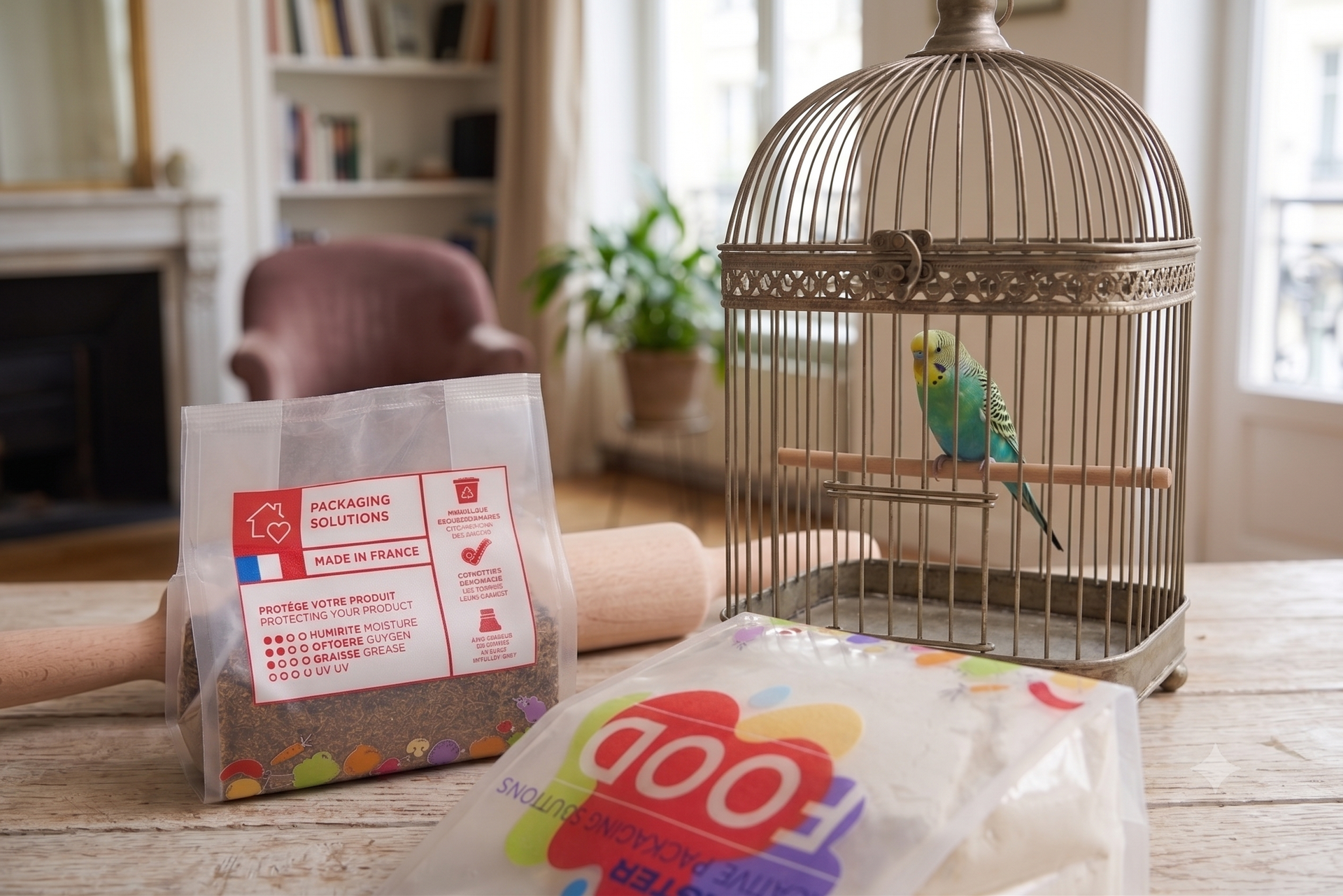
Widespread premiumisation
Consumers now look for higher-quality ingredients, greater transparency about the origin of raw materials, more natural recipes and clearly identified health benefits.
This trend has direct consequences for the industry. Wet food, snacks and premium treats are the fastest-growing segments, with meal portions for cats showing growth of close to 10% and premium treats seeing increases of more than 20%.
At the same time, volumes remain relatively stable at 1.18 million tonnes sold, proof that growth now depends more on value than on the quantities sold.
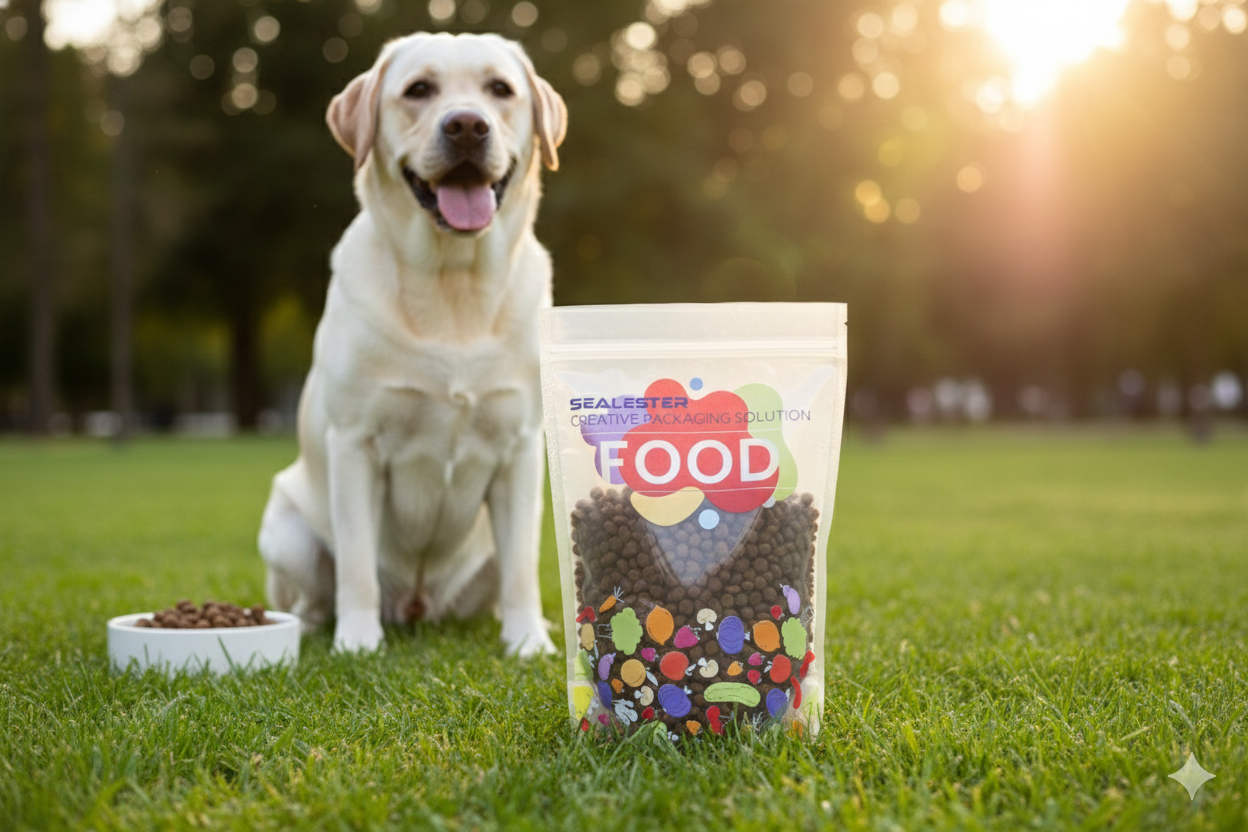
Packaging as a reflection of product quality
A premium pet food pouch has to do much more than hold and protect the product. It must:
- Reflect perceived quality: innovative, attractive designs that stand out on the shelf
- Communicate values: transparency, naturalness, animal welfare
- Deliver functionality: resealability, convenience, clear information
This is where Sealester's solutions come in. We can design doypacks, three-side-seal pouches and innovative formats with spouts, caps or resealable zips, all specifically tailored to your premium positioning.
Regulatory requirements are driving a shift towards eco-design
The PPWR regulation
By 2030, all packaging will have to be recyclable. For the pet food sector, this means gradually phasing out complex multi-material structures, particularly those incorporating non-recyclable aluminium.
The technical challenge: protecting without aluminium
The main obstacle lies in product preservation. Pet food is sensitive to moisture, oxygen and UV light. For a long time, aluminium provided a simple, absolute barrier.
Today, innovation is moving towards mono-material structures incorporating a functional barrier. This layer (often EVOH or specific varnishes) provides an effective seal against the migration of fats, gases and odours while remaining fully recyclable.
Our packaging engineering teams have mastered these aluminium-free barrier technologies and offer:
Mono-PE and Mono-PP structures with integrated EVOH barrier
Integration of PCR
(Incorporation of 30% post-consumer recycled plastic from mechanical recycling, while ensuring compliance with microbiological and chemical safety requirements.)
Towards more sustainable and responsible pet food
Eco-design, a condition for future success
Environmental issues are becoming central: manufacturers are working on alternative materials, upcycling by-products, reducing packaging and improving the carbon footprint of their products.
Sealester's eco-design strategy
We have placed eco-design at the heart of our offering:
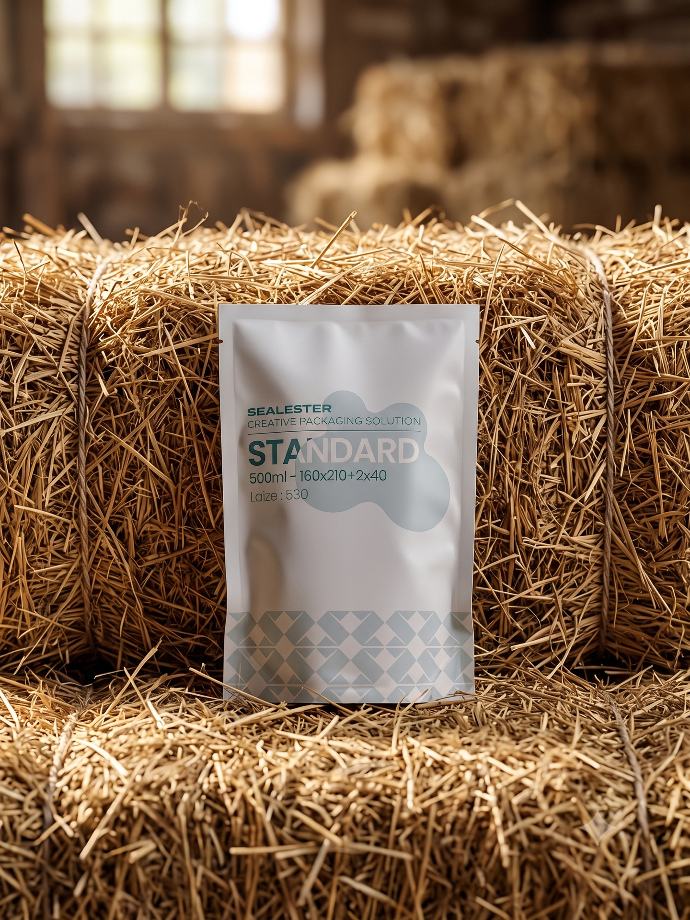
Recyclable mono-material structures
- Mono-layer PP, PE, PET with EVOH barrier
- 100% compatible with standard sorting streams
2. Innovative low-impact materials
- Kraft paper composites
- Apple paper
- Varnished paper
3. Weight and empty-space optimisation
- Less material used
- Lower transport carbon impact
- Compliance with preservation requirements
Ready to innovate in pet food?
Contact us